Discover the Various Grades of Sisal Fibre: A Guide to Quality and Use
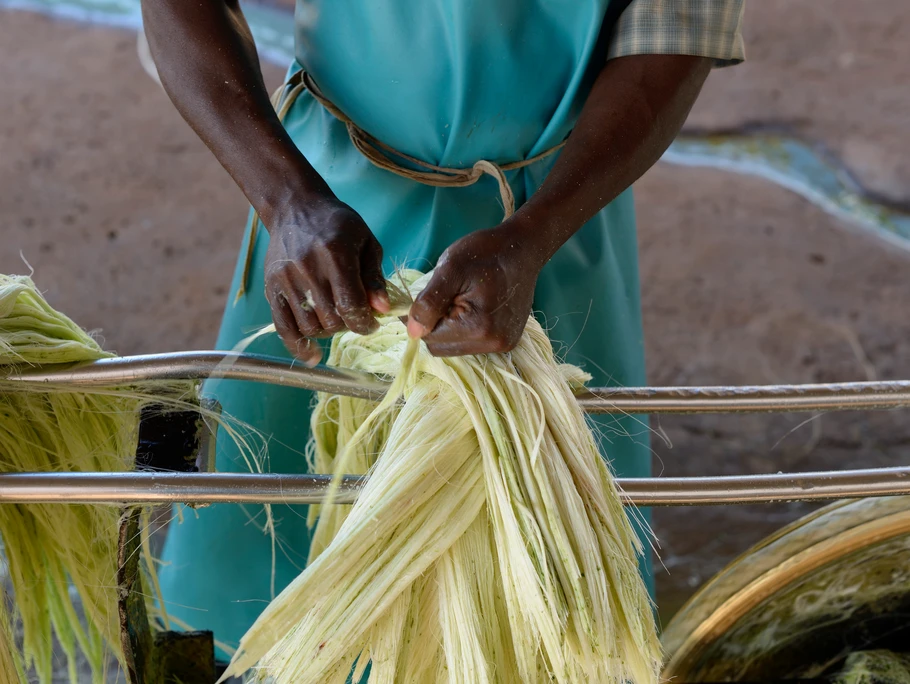
Sisal fibre is one of the world’s most sustainable and versatile natural fibres. Harvested from the Agave sisalana plant, it’s known for its strength, durability, and biodegradability—making it an essential raw material in various industries including agriculture, construction, textiles, and even automotive manufacturing.
But did you know that not all sisal fibres are created equal? They come in different grades, each with specific characteristics tailored to its end-use.
In this blog post, we break down the different grades of sisal fibre and what makes each one unique.
📦 Why Choose Sisal Fibre?
Sisal stands out due to its resilience and eco-friendliness. Here’s why it's in high demand:
✅ High tensile strength
✅ Natural and biodegradable
✅ Resistant to saltwater and UV rays
✅ Minimal environmental footprint during production
Common Applications:
Rope & cordage
Carpets & mats
Composite panels
Pulp & paper
Agricultural twines
Handicrafts
🏷️ Understanding Sisal Fibre Grades
Let’s dive into the most commonly available sisal fibre grades and their typical uses:
✅ Sisal Fibre Grade No. 1
Premium Quality – Longest and most uniform fibres
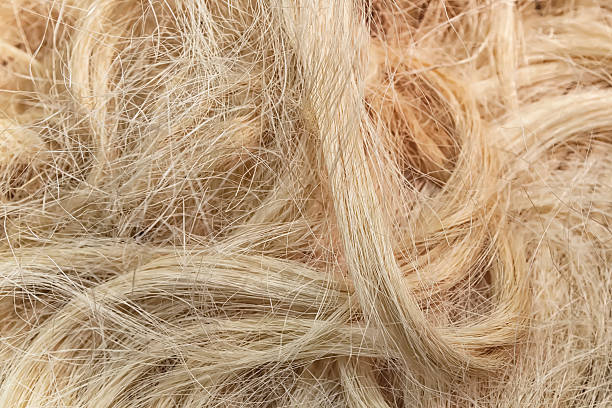
Color: Light cream to white
Uses: High-end ropes, buffing cloths, textiles, specialty paper
✅ Sisal Fibre Grade No. 2
High Quality – Slightly shorter fibres
Color: Off-white to cream
Uses: General-purpose ropes, mats, handicrafts
✅ Sisal Fibre Grade No. 3
Mid-Range Quality
Color: More pigmented, slightly coarse
Uses: Sacks, mats, bags, lower-cost textiles
✅ Sisal Fibre Grade 3L (3 Long)
Long Fibres from Grade 3
Ideal for: Twine manufacturing, long-pile brushes
✅ Sisal Fibre Grade UG (Under Grade)
Lower Grade – Short and mixed-quality fibres
Color: Darker with variation
Uses: Paper pulp, filler fibre, disposable or low-end products